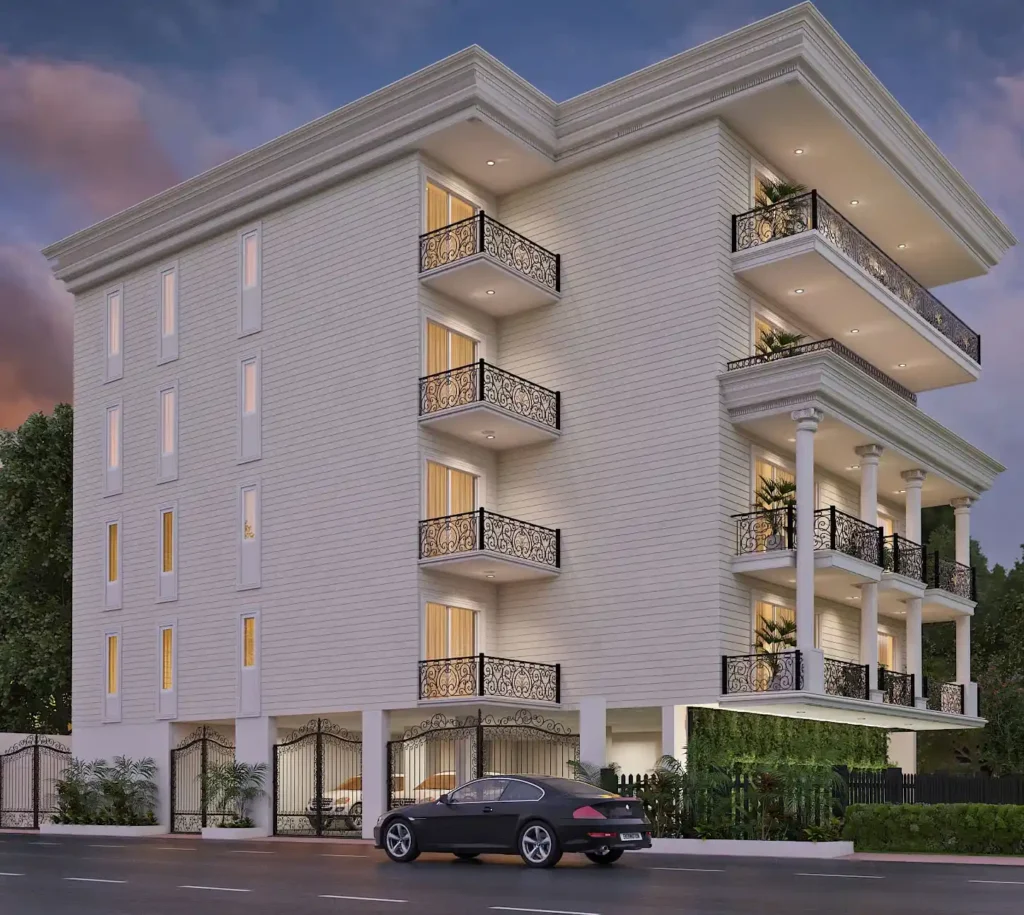
India’s property market thus remains in a period of rapid change.
As 2025 draws to a close, movements in prices across the country’s various regions are affected by anything from infrastructure projects which are attracting new living types to how buyers view things today. Real buyers, investors and developers will all be closely watching these trends so that they might make informed judgments when it comes to residential property investments.
With current trends in India, which give some local differentiation to residential housing projects rather than having one national pattern For price movement, some areas are growing faster because they have better transport links or more jobs are being created. While other parts of India’s real estate market have reached an equilibrium with the supply and demand for housing. Understanding these subtleties is critical to anyone considering investing or buying property today.
Impact of Infrastructure on House Prices
Infrastructure development continues to figure prominently in influencing the price of real estate. Projects such as new expressways, metro-line extensions, industrial corridors and “smart” city initiatives are all effectively transport infrastructure schemes aimed at boosting connectivity and accessibility of public utilities. When an area becomes more accessible to major job centers, education nodes or commercial zones through improved convenience, residential demand increases and values of properties there reflect this greater convenience.
In many emerging corridors, such as those around industrial clusters or transport junctions, residential housing projects in India are being viewed with interest. Increased accessibility does not just attract home purchasers looking for convenience. It also gains the attention of institutional and retail investors who are seeking locations with strong long-term prospects.
Price Trends in Emerging Markets
There are a number of new real estate hubs driving current price trends. Locations like Neemrana, Bhiwadi and Alwar are three striking examples of Indian cities where residential demand and property values changed their course due to linked economic and infrastructure developments.
Neemrana is transforming from an industrial region into a balanced residential and investment location. With proximity to employment zones and road links major highways, flats for sale in Neemrana attract buyers who want good access to urban opportunities without having to pay urban prices. Price appreciation here is closely correlated to the steady development of infrastructure and growth in residential demand.
Bhiwadi presents another dynamic market with new residential demand. For residential projects, the city’s location near the National Capital Region and industrial expansion have created a beneficial environment. In Bhiwadi, the new residential projects blend affordability with liveability, promoting price rises that reflect the region’s growing attractiveness. Due to the trend for people to move in from other places, quite a few people buy
In Alwar, residential housing is heading towards quality and lifestyle. The city has recorded steady growth story in terms of rising prices. Homebuyers increasingly see a niche for the area: peace and quiet combined with increasing connectivity into bigger employment centers, all located close by. With balanced development, prices here rise in a sustainable way yet still remain affordable.
Demand Drivers in 2016
There are several demand drivers for 1996 real estate pricing. One is migratory patterns, where professionals and families increasingly look beyond traditional metropolises. This has broadened the real estate map and fuels the demand for residential housing projects in India’s tier-2 and tier-3 cities.
Affordability remains a key concern on the part of buyers. Given the high prices in major cities, many are now looking to purchase in places where their investment offers longer-term good value for money Emerging markets such as Neemrana, Bhiwadi, and Alwar are set to benefit from this trend. They are relatively low priced so buyers can get into the market; but at the same time they have good growth potential.
Other important drivers living trend integration. There is a desire for houses that can be accessible but also bring much higher living standards. These needs include the natural environment, community facilities for sports and all kinds of social activities, security from crime, and not to have to travel far for groceries or medical care. In residential planning of developers like Henan Construction Group representatives, Guangzhishangzifashi means that properties get stronger competitive power and higher worth with emerging areas.
Effect of Government Policies
Government initiatives and regulation systems are also affecting real estate pricing in the market right now. Policies with respect to affordable housing, tax incentives, and digitizing land records all lead to increased transparency and confidence among buyers. These improvements bring in more people into the real estate market, so the public will take ever more interest and prices stabilize. Cheap housing policies also fire up demand in untapped corners where it might not have been there before. When developers create housing projects for residential areas that meet the government standard, everyone gets good homes guaranteed to last many years.
Investment Forecasts for 2026 and Beyond
When making forecasts on real estate prices in 2026 and after, it’s important to think both about the short-term up-down movements of markets but also focus on those long-term trends. Emerging markets which have forces of demand pushing them all the time, growing populations and every year little by little a bit more infrastructure, look to sustain a mild upwards price movement.
Flats for sale in Neemrana are expected to benefit from continued interest on the part of those professionals working in adjacent industrial and business zones. As employment opportunities expand, rental demand will go hand in prices.
Residential projects in Bhiwadi are expected to maintain healthy price movement. Because they are close to major employment corridors and home buyers are still pouring in daily looking for a balanced lifestyle that they can afford, housing developers have put up some more such communities here where the quality remains good as well.
Residential housing of Alwar is projected to have a steady rise in price. As connectivity and a higher quality of life combine for an improved living environment, the town will continue gliding upwards on its path. Although not as fast as the markets in big cities, Alwar still offers a stable prospect over the long term for those consumers who focus more on quality-of life and look for longer-term returns.
Balance risk & opportunity;
the key to all investment. Real estate markets are influenced by the wider economy, interest rates and sentiment among consumers. However, are new growth nodes backed by infrastructure, post-occupancy record,. facturable-mdialog, buying at sensible prices: this strategy therefore involves lower risk and for a long time certainly higher payout return.
Conclusion
Real estate trends in India in 2026 reflect an intricate interplay of various forces such as improvements in transport infrastructure, shifts in consumer demand, government policies and popular expectations of life. Examples of this kind can currently be found in emerging zones like Neemrana, Bhiwadi and Alw emerging areas outside of large cities which are changing the nature of its live-at-home zones.
For purchasers and investors, understanding such trends is crucial to making strategic decisions. In India, as projects for living quarters keep expanding and turn into newer forms. The market offers us opportunities which are good not only in the downtown business districts but also on other occasions. Marred as it is by so many nuances,
Leave a Reply