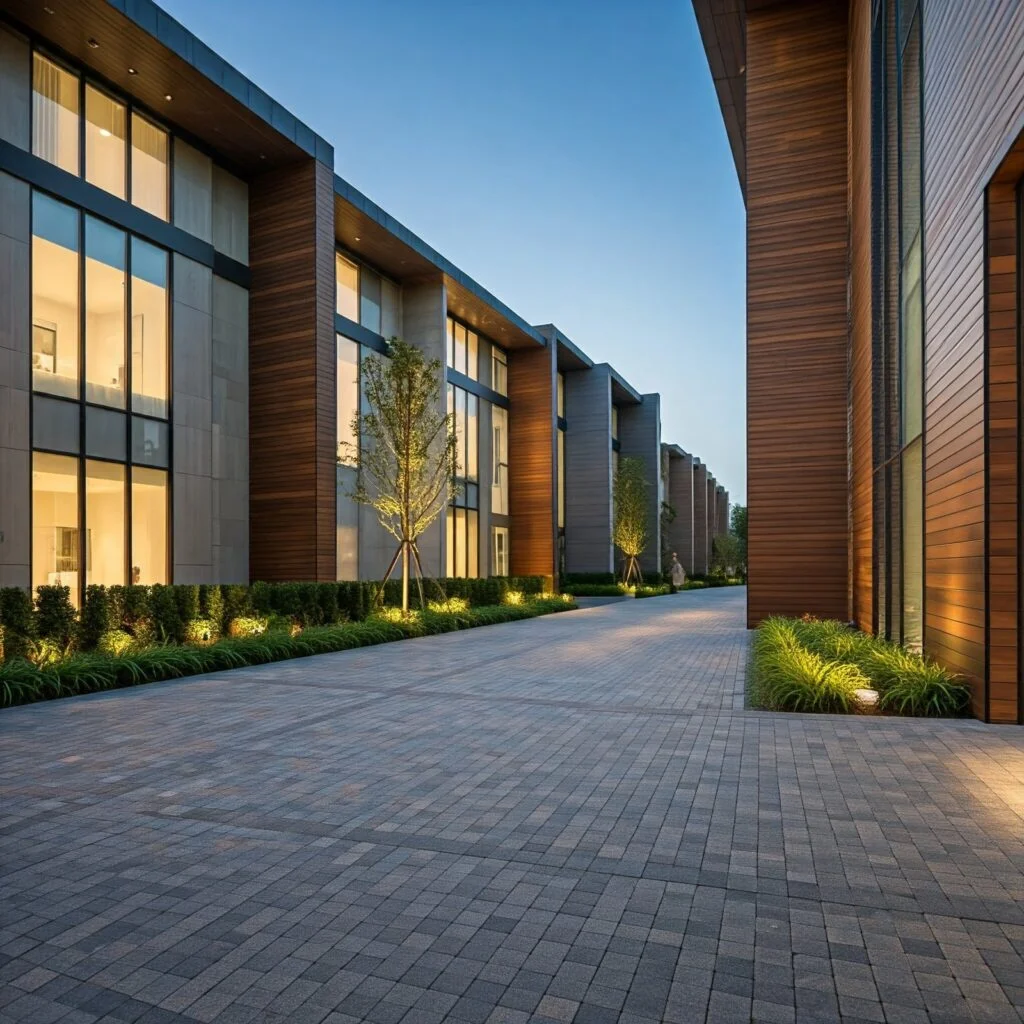
The Evolution of Homebuyer Priorities
Huge homes with open floor plans have long been held up as the best of class. Big living rooms, multiple balconies and supersized bedrooms were the holy grail of upscale. But in last few years buyers behavior has changed a lot across residential housing projects India. Emphasis is shifting from sheer size toward smarter, more efficient living spaces.
Today’s home buyers care more about functionality, sustainability, connectivity and community than they do how many thousands of square feet their dwelling is. This shift is due in part to changing lifestyles, as well as increasing economic sensibility and environmental consciousness.
The Birth of Smart Living Ideas
Smart living is not small living, but a smarter way to design and organise one’s home. The trend has been to design homes for increased natural light, ventilation and storage while also reducing unused space.
Even in the booming areas like Neemrana and Bhiwadi, people looking for flats available in Neemrana have now started giving preference to practical floor plans over extra large rooms. Well thought-out architecture makes the most of every square foot, which in the long run lowers maintenance costs and increases comfort.
Likewise, residential projects in Bhiwadi are now more than ever featuring community inclusions, new communal facilities and planned infrastructure vis-Ã -vis they used to have merely spacious homes earlier.
Lifestyle Integration Over Size
One of the key reasons for this change is the focus on lifestyle integration. And now, for buyers who once focused on the size of their units, access to green spaces, clubhouses and fitness centers and security systems are as important.
Gated community houses are becoming increasingly popular as they provide a sense of security, neighborly interaction and common facilities. We are attracted to the whole ecosystem and not merely to the size of the apartment.
In developing areas such as Alwar, the life of people in Alwar is now changing to match these requirements. Developments are in the works to design projects with greens areas and neat internal roads which create organized communities.
Financial Practicality and Long-Term Value
Bigger houses tend to be more expensive to acquire, maintain and pay property taxes on. “Now we have educated buyers, they are doing a detailed study of long-term sustainability,” she said.
“Affordable housing is really taking off, because at moderate pricing you can get what you need,” he says. Buyers are waking up to the fact that a 2BHK if designed effectively can give more bang for the buck than an oversized and poorly laid out property.
This is most evident in growth corridors where the ongoing delivery of infrastructure and employment opportunities continue to provide steady housing needs.
Urbanization and Changing Family Structures
Changing family structures are also playing a role in housing choices. And as nuclear families become more common, working professionals are seeking houses that require less maintenance and are close to work.
With industry boosting such localities as Neemrana & Bhiwadi, the aim was to fulfill practical living needs and not the aspiration of owning a house. Many families are finding that proximity to jobs trumps the desire for a large home in far-flung metro exurbs.
Those patterns of urbanization demonstrate that space is no longer the sole determinant of where people want to live, with convenience and connectivity rising in importance.
Sustainability and Energy Efficiency
Increasing environmental awareness has also bolstered the popularity of smart homes. Bigger homes use more energy & resources. On the other hand, purpose-built houses with efficient floor plans are less of a headache to manage/keep up.
It includes green designing, better insulation and using recyclable material in construction that help you save down the line. When consumers adopt more environmentally sustainable lifestyles, smart living spaces are a closer fit to their personal values.
Homes India and housing projectsThe changing attitudes of potential homebuyers are not lost on the residential sector.
The Role of Developer Vision
In a changing market, timing is everything for developers. Long-term success of undertakings which address intelligent use of space, community planning and infrastructure are more assured.
“Housing to Fit New Lifestyles and Growth Corridors Addressing itself with progressive lifestyle trends and infrastructure development corridors, Gurugram-based THD India Trehan Group has its residential game plan well laid out. With an emphasis on organized construction and meticulous planning, the group tries to play a role in shaping the changes taking place in housing ventures in cities such as Neemrana, Bhiwadi & Alwar.
A residential developer you can count on should be aware of the market demand and lifestyle change as well.
Investment Perspective: Quality Over Quantity
As an investment, a well-curated smart home in high-growth corridors will generally out shine oversized units in mature markets. Westchester rental demand usually supports sensible layouts near job centers.
The sustained interest in flats for sale in Neemrana and new residential projects in Bhiwadi indicate that buyers understand the importance of growth potential, affordability and usability. Investors are putting greater value on appreciation potential instead of brute size.
While smart living spaces are not always the answer, opportunities lie in finding great living spaces that make sense over time.
Conclusion
The idea that bigger is better, always, is finally being challenged by more sensible and saner perspectives. Functional spaces todayClients these days are favoring functional, sustainable and financial friendly approaches that cater to community living over large yet inefficient spaces.
With residential projects in India that spread through NCR including Alwar and forthcoming expansionsin Neemrana & Bhiwadi, smart living spaces are the next big thing redefining modern luxury.
Leave a Reply