The industry of real estate in India
witnessed a structural change over the year. Previously, investment into a home was primarily judged on financial criteria such as Capital Appreciation, rental yield and resale value. However, from 2026 a two-pronged approach has been taken increasingly by buyers. APART from financial return on investment, it is emotional return on investment that is making a difference in decisions at Residential housing projects India cities & emerging corridors.
For luxury developers such as THD India, based in Gurugram, this shift in perception has translated into changing the way modern homes are conceived, designed and delivered.
Factbox -Interpretation of Financial ROI in Real Estate
“If you can find the right property, leverage is still very attractive. Purchasers look at potential for growth in the area, infrastructure construction, transportation lines and demand pattern in the future as they prepare to invest. Areas like Neemrana, Bhiwadi and Alwar are a rising star destination as these areas have experience industrial growth along with better roadways connectivity.
While assessing Flats for sale in Neemrana, the investors would generally with reference to distance from industrial areas, and the latest areas that came under Delhi-Mumbai Industrial Corridor projects. On the same lines, Residential units in Bhiwadi lure customers based on its proximity from Gurgaon and New Delhi and relatively affordable prices. Few residential projects in Alwar are focusing towards long-term appreciation as both the location and employment hubs facilitate infrastructure development.
Money ROI usually focuses on appreciation and rental returns as well as the long term status of the asset. In an organized market (like real estate) – Regulated land-use regime and well-publicized prices of new homes serve to boost investor confidence further. Trust is important when it comes to a residential builder, as the credibility of project execution would essentially make or break asset value.
The Rise of Emotional ROI
The emotional ROI has become as important as the financial. A house being a simple investment is no longer a hypothesis, it’s believed to be the home where questions about lifestyle aspirations can be answered.
Emotional ROI is influenced by things like neighborhood feeling, the beauty of the design, usable green space, safety and quality of life. Buyers are loving homes owned in Gated community’s -ease, safety and special amenities attracted to home buyers. Club houses, lush gardens, gyms and childrens play areas are not considered extras but basic lifestyle requirements.
Architectural planning work is now getting coordinated along with psychological ease in contemporary Residential housing projects India. The preference for natural light, ventilation and an intelligent layout is significant as it improves the quality of our lives. Buyers are not only questioning resale value, but what the property will feel like in five or 10 years.
Why the Shift Is Happening
There are several macroeconomic and social reasons for this new purchasing behavior. After the pandemic, priorities have shifted in how space is defined. With work-from-home culture on the rise, homeowners have a desire for functional layouts and designated working spaces. An increasing emphasis on health has also driven interest for projects with a wellness-oriented infrastructure.
At the same time, urban gridlock has forced buyers to look at growth corridors outside of city cores. This is apparent in growing demand for AFFORDABLE housing developments which you will notice immediately whether buying or investing in properties located in satellite towns with higher-grade, affordable layouts.
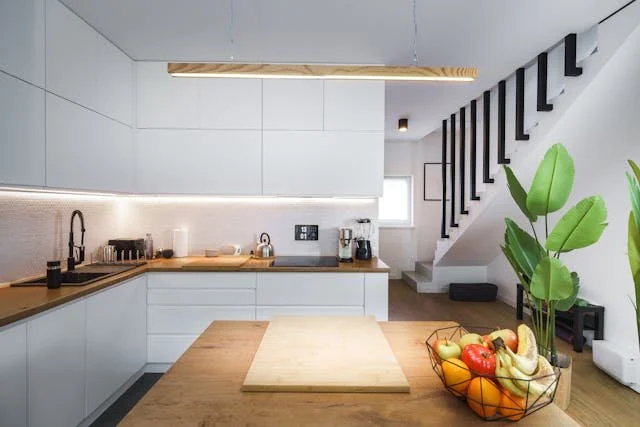
(Photo by Tom Rumble on Unsplash) Developers that get the financial and emotional drivers of human behavior are creating projects designed to balance two forms of satisfaction. Catering to people’s evolving needs This balanced outlook on life and its components has shaped developments implemented by THD India, where the company operates across a number of strategic locations–drawing from structural quality and lifestyle integration.
Balancing Aspirations with Practicality
Today’s homebuyers make decisions on projects by its layer. The macroarameters examined in order of arrival are: budget alignment, project credibility, project location outlooks and legal transparency. Above and beyond these basics, immeasurable concerns like neighborhood feel, future quality-of-life factors and brand cache are taken into account.
Buyers in markets such as Neemrana or Bhiwadi, on the other hand, are often emerging first-time homeowners who are looking for a combination of affordability and comfort. These partakers of luxury also derive psychological succour from the well-planned Gated community homes they invest Their way into a rising micro-market directly addressing manshed needs.
The same families invest in Residential properties at Alwar and are also affected by schools, hospitals and public facilities. The emotional ROI is derived from the knowledge that it will provide a sense of stability and security for generations to come.
The Developer’s Role in Dual Value Generation
To make emotional and financial ROI real, developers need to work with long-term vision. Physical returns are ensured through the strategy of buying land, planning and design, construction quality and timely possession. “Emotional satisfaction is what you are trying to achieve with your house plans, and landscaping, community amenities and even aesthetic consistency all add to that,” Ross says.
As a leading luxury real estate developer in Gurugram, THD India has focused on organized planning and quality standards in its projects. Aligning itself with development infrastructure growth corridors, and adding lifestyle elements; the brand has placed itself amongst the developers who have their fingers on the pulse of changing expectations in Residential housing projects in India.
Confidence is gained when projects are clear, on time and within building regulations featuring architectural confidence. Performance is the measure for a Respected home builder – not sales pitches.
Long-Term Value in Emerging Markets
The new hub towns like Neemrana, Bhiwadi and Alwar are perfect examples of how financial ROI and emotional ROI toe each other. Expansion in industrial employment propels housing demand, leading to the stability of assets. Meanwhile, planned communities help to foster environments in which families can build a more secure future.
New housing schemes are also giving equal importance to the concept of sustainability, water management and green architecture. Environmental concerns increasingly shape buyer decisions, particularly among younger investors who are considering properties with a long-term ecological perspective.
Monetary value can be truly sustainable if done with actual livability. Emotional gratification then endures when the house maintains its structure and in desirable neighborhoods.
Conclusion
The choice between emotional ROI and financial ROI is no longer a binary one. Both aspects are at work today in the market, and both play a significant role in how buyers make their decisions. Prosperity covers your assets and passion takes care of the day-to-day.
Among Residential housing projects India has across the country, more so in upcoming corridors such as Neemrana, Bhiwadi and Alwar, this balanced assessment is redefining preferences. Devs who are aware of this double-standard to turn that relationship to something that works for both their and the client’s benefit.
In combining architectural excellence, strategic positioning and lifestyle-driven amenities developers like THD India are part of the solution to making home’s not just a growing asset but place worth living. In 2026 and beyond, contemporary consumers will look to a balance of emotional solace as well as financial fortitude when selecting their next investment.
Leave a Reply