Author: piyush.novavision

  • Buying a Home in Neemrana or Bhiwadi? Here’s the THD India Booking Process Explained

    Buying a Home in Neemrana or Bhiwadi? Here’s the THD India Booking Process Explained

    GENERATING DEMAND FOR HOMES IN NEW GROWTH CORRIDORS

    In recent years, new industrial and housing corridors like Neemrana and Bhiwadi have continued to see some growth. The real estate markets of these areas emerged as the most lucrative ones after the advent of upgraded infrastructure, industrial advancement, and fast connectivity with Delhi NCR. Buyers interested in Residential housing projects India are now increasingly conducting their research in the Tier-2 and outer growth areas providing both value and an economical price mix.

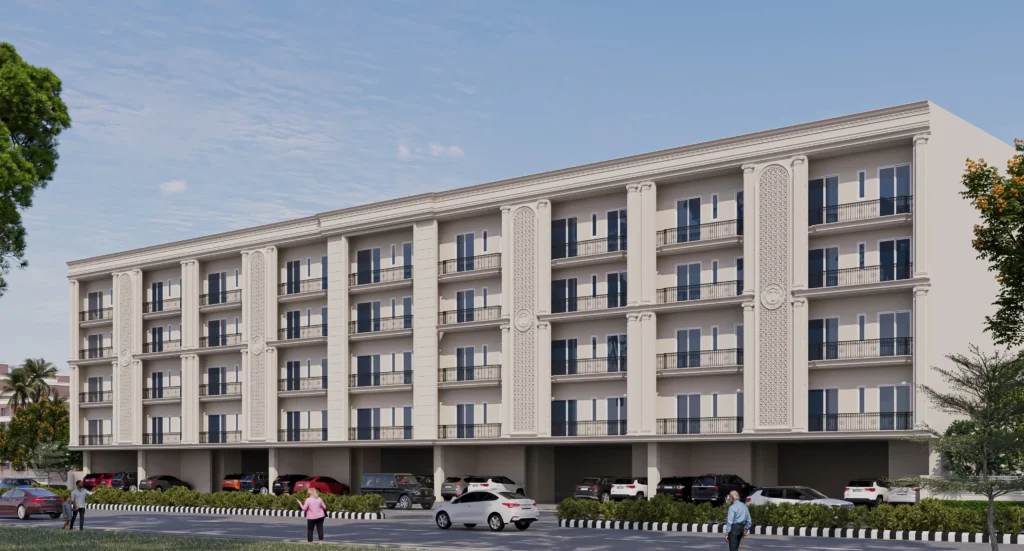
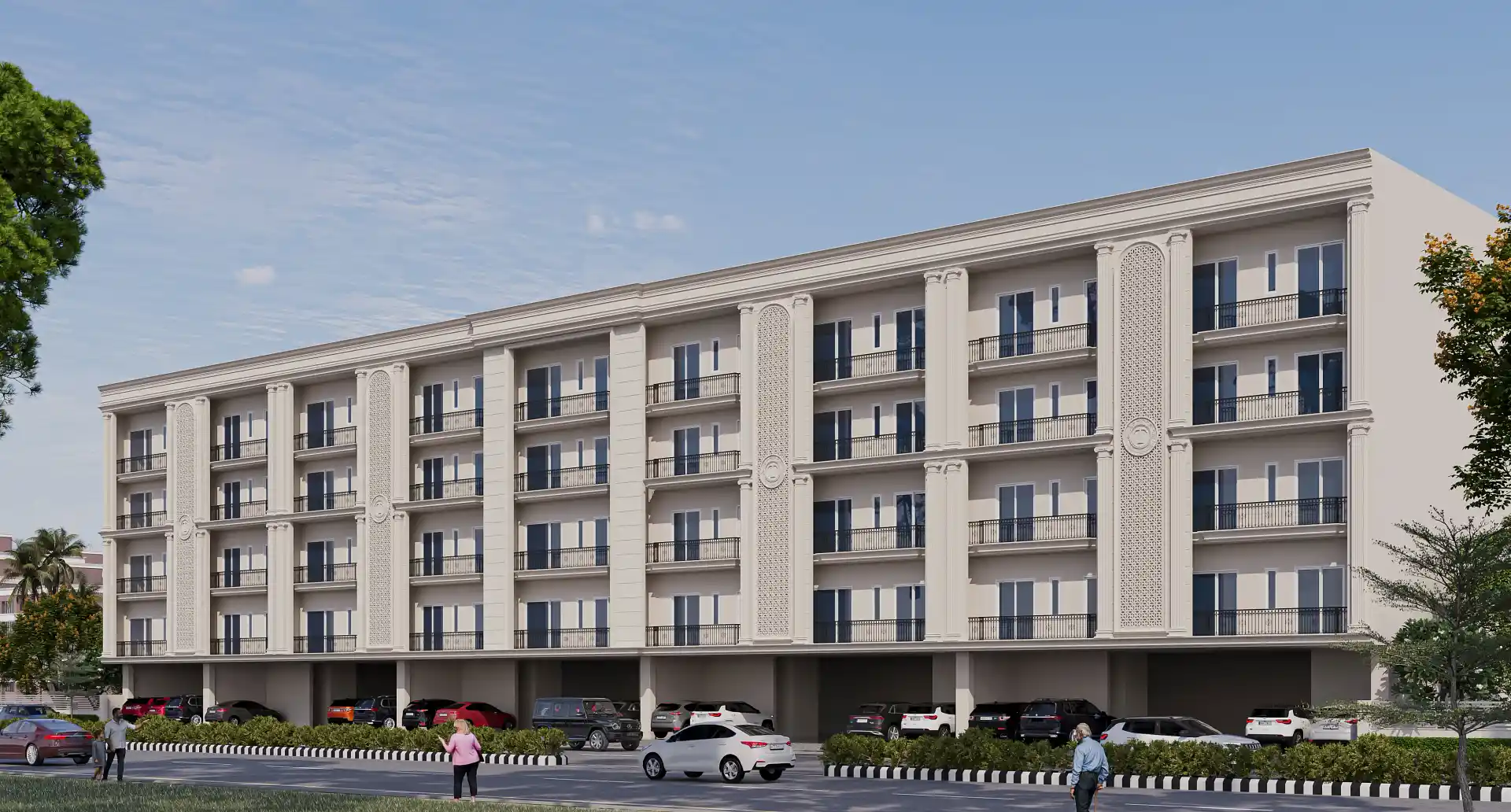
    Projects such as flats for sale in Neemrana and Residential projects in Bhiwadi both catering for end users and Investors are capturing their interests. Now, with better highways, closer to industrial centers and the ever-evolving civic infrastructure, they are slowly but surely emerging as attractive alternatives to cramped urban cores.

    The booking and purchase process is something buyers should be mindful of when looking into Residential housing in Alwar district areas like Neemrana and Bhiwadi. The ingredients of a good property acquisition process is transparency, clarity in documentation, and defined processes.

    Step 1: Finding the Right Project

    You start your home-buying journey by assessing the suitability of a project. Location benefits, connectivity, amenities, pricing and developer name are the key pointers where buyers usually judge. New-age regions provide Affordable housing projects as well as luxury gated communities, suiting the needs of the buyers as per their budget and lifestyles.

    Housing communities in Neemrana and Bhiwadi often make statements about design, open grounds, as well as other services. However, due diligence is critical. One needs to ensure land title verification, RERA registration, project approvals & timely construction and so on before proceeding.

    Gurugram-based luxury real estate developer THD India, reclusive about its business strategy, has been working towards structured township planning and compliance-oriented project execution. Although each buyer need to evaluate the suitability of the project themselves, the documentation risks and procedural uncertainty can be somewhat lessened by engaging the services of a Trusted residential builder.

    Step 2: Visit the location and present the project

    Having a site visit in-person is one of the most important parts in your decision-making process. Buyers have clarity on construction quality, layout design, surrounding infrastructure, & community planning.

    When developers make presentations for their projects, they usually bring brochures, floor plans, payment schedules, and specs for amenities. When writing about Flats available for purchase in Neemrana or Bhiwadi residential developments, the focus is frequently on being close to corporate centres, schools, hospitals, and even highways.

    Familiarizing yourself with regional long-term development plans is a technique buyers use to determine where to invest, always look for appreciation potential. The Development Trend of Residential housing projects India-esque interior-facing experience with step expansion along with the development of the industry and the improvement of the infrastructure axis.

    Phase Three: Documentation and Unit Selection

    After you have a property on your shortlisted, the next step in the booking process is documentation and unit selection. Typically, buyers fill out an expression of interest or a booking form, before paying a booking amount.

    Make sure this was all documentedclearly, such as: allotment letters, payment plan agreement drafts, construction timelines? One must read the builder-buyer pact thoroughly. Possession timeline clauses, delay penalty clauses, maintenance charges, and cancellation terms have to be understood properly.

    When it comes to organized New housing developments, digital documentation and streamlined customer support systems can speed up the process. Clear communication here also prevents misunderstandings down the line.

    Fourth Step: Financial Planning And Loan Assistance

    Most Homebuyers dependency for their purchase is on home loans. Financial planning involves analysing down payment needs, calculating EMI burden and interest structures.

    Banks usually verify the project themselves before giving loans Banking relationships associated with recognizing and Trusted residential builder entities ensures that there is no hassle in processing the loan for the projects.

    In the case of Neemrana or Bhiwadi Affordable housing, there are structured payment plans — construction-linked payment schedules that ease the immediate financial stress on buyers. Payment milestones must mirror construction milestones to protect buyers.

    So step Five: signing and filing the agreement

    Once paperwork is done and the money is in, the agreement is officially signed. Signing of a builder-buyer agreement, which is then stamped and registered as per state laws.

    In Alwar district areas of residential housing, registration customs must adhere to local property legislation. Before taking full registration, buyers should check whether all statutory approvals, land use permissions and development clearances have been properly taken or not.

    Having experts guide you through this stage makes sure that processes are followed and things are working as they should in terms of the law.

    Step 6: Construction Updates and Moving in

    Once customers book a unit, they usually get periodic construction updates. Good developers will keep you posted on the completion of milestones and expected delivery dates.

    At the time of possession, certificates related to possession such as occupancy certificate, possession letter, maintenance agreements, etc. are provided.
    Allowing buyers to check finishing quality & compliance with specifications agreed before possession

    Importance of Structured Processes in Emerging Markets

    Areas such as Neemrana and Bhiwadi are developing under planned urbanisation. But buyers need to distinguish between organized township developments and fragmented layouts.

    Booking with a structured process decreases legal risk, decreases financial ambiguity, and decrease project ambiguity. While exploring Residential housing projects India, coordination between documentation, regulatory compliance, and construction timelines is crucial.

    THD India is already within these corridors through systematic planning approach and development over phases. Gurugram-based luxury real estate player, which is expanding its footprint into the growth regions, the idea behind its projects is to have an affordable offering while retaining the long-term vision of the infrastructure.

    Conclusion

    Purchasing a house in Neemrana or Bhiwadi calls for proper planning, legal checking, and a systematic evaluation of finances. Whether to find Flats for sale in Neemrana or to analyze Residential projects in Bhiwadi, all aspects should be approached methodically.

    Well below residential housing in Alwar district growth corridors which is only backed-up with good at due diligence & transparent reservation system.

    Buyers can now navigate the entire process from choosing a project to owning it, to make informed decisions within the growing portfolio of Affordable housing projects and Gated community homes in India. Emerging markets are still defined by structured execution and compliance oriented development that are hallmarks of successful real estate experiences.
  • Secure Your Dream Home with Confidence: THD India Trehan Group Booking Guide 2026

    Secure Your Dream Home with Confidence: THD India Trehan Group Booking Guide 2026

    Home Buying in 2026: A Continued Evolution Of Trends


    The Indian real estate sector transforming in 2026, has been augmented by the proliferation of infrastructure, growth corridors for industrial activities, and pinnacle rise in end-user demand. No longer were speculative trends the primary driver of buyer behavior, as now structured planning, clear titles to land, and long-term value have taken center stage in decision making.

    Residential housing projects India are witnessing continuous inflow from professionals, industrial employees and investors looking for moderate growth in these emerging corridors namely Neemrana, Bhiwadi and Alwar. If you are looking for Flats for sale in Neemrana or Residential projects in Bhiwadi, then you to know how booking a home confidently.

    A booking framework that is step-by-step and transparent alleviates doubt, and ensures that buyers know how their day is unfolding at every step of the way.

    First Step: Project Evaluation and Location Assessment


    Evaluating the suitability of the project is your first step on the road to owning your own home. Aspects like closeness to location, potential for nearby industrial development, civic infrastructure and community planning are important.

    Highway networks and industrial investments are paying off in the Residential housing of genre of NEEMRANA, BHIWADI regions, right on the lines of ALWAR district. Buyers need to consider how close they are to work, school, medical care, and other necessities.

    Housing plots in these areas are often better organized, has more parks just to mention, and have secured features. But always, project credibility must be verified against RERA registration, land title and approvals.

    Gurugram-based luxury real estate developer THD India, focused on structured planning along the infrastructure growth corridors. All the buyer-related due diligence still comes under the buyer’s responsibility however linking with a Trusted residential builder minimises the risk of compliance related to the property.

    an appointment to the site — and the home — once the property is determined to be adequate; Step Two


    The physical inspection still constitutes a key stage in the booking funnel. Site visits give buyers the opportunity to assess construction quality, master planning, road access and amenity development.

    If you are looking at some Flats for sale in Neemrana or even some of the best Residential projects in Bhiwadi – just discuss the floor plans diligently. Lifestyle expectations should determine aspects such as orientation, ventilation, parking provisions and community facilities.

    In transparent project presentations, there brochures, schedules of payments and timelines for possessions box are detailed. Buyers should make an adequate record of anything discussed verbally on official documentation, otherwise, it is a case of “he said, she said”.

    Step 3: Booking Amount & Allotment Letter


    When a unit is decided upon, the booking process progresses to submission of a booking form and payment of an initial booking amount. This gets the booked unit and an allotment letter is issued.

    Usually, the allotment letter describes specifications of the units, possession timeline, payment milestones, etc. This is important to be reviewed completely before moving to execute an agreement.

    Most of the Structured Affordable housing projects offer a construction-linked payment plan that helps you to make payments in tandem with the progress of the project. These models create less financial burden without compromising transparency.

    Fourth Step: Agreements and Contracts


    Builder-buyer agreementthe agreement formalizes the deal. It includes timelines for possession, compensation for delays, maintenance charges, and provisions related to cancellation and forced majeure.

    The buyers looking on residential housing projects India need to ponder on these terms in details. At this stage it may be very helpful to consult with legal or financial advisors.

    After the agreement is executed, Stamp duty payment and Property Registration will be done. Registration process state wise property laws on residential housing in Alwar and other regions. Obtaining approvals, land use permissions and development clearances helps safeguard ownership rights going forward.

    Stage 5: Deal Entry and Financial Engineering


    A lot of buyers have to finance their home in order to buy it. Before making loans banks typically do their own due diligence.

    Financing approvals are easier for projects planted out through proven and Trusted building entities. Whatever may be the lower loan price available, buyers should assess the interest rate, EMI burden and its affordability in the long run before taking a plunge.

    Most importantly, financial planning needs to be done considering property price as well as registration costs, maintenance charge and possible interior spend.

    SIXth Step: Construction Updates and Hand Oever


    Now that documentation has been completed and financing secured, the attention is on construction progress. Established developers update buyers intermittently, leaving no room for guessing.

    Possession documents include occupancy certificates and handover letters. Looking into possession, this crucial step gives buyers an opportunity to ensure that the quality of the finishing matches the builder’s promise as per specifications.

    For Gated community homes, documents associated with community management and maintenance frameworks might also be offered.

    The time is now for structured booking processes: From 2026


    The popularity of Flats for sale in Neemrana and Residential projects in Bhiwadi demonstrates growing demand for lifestyle township living. Which is all good but in fact well needed to validate and implement with a high discipline on the emerging market.
    These booking processes minimise the legal ambiguity, the misalignment of financial incentives, and the uncertainty around the project outcomes. Buyers get confident with transparent documentation, timely milestone based payment and compliance based development.

    The expansion of THD India Trehan Group in growth corridors is in accordance with this systematic method. Instead of focusing on fragmented layouts, projects target planned communities and works to combine elements of lifestyle and long-term infrastructure vision, explains PD Data #5: Planning Community Strategies for Industry Growth.

    Conclusion


    Selecting gorgeous home is only the start of ensuring that you possess your dream home in 2026. In other words, it is project assessment, document review, financial preparation and transparency throughout the booking experience.

    With Residential housing projects India now reaching further to places like Neemrana, Bhiwadi and Alwar, buyers need more clarity and structured processes.

    Homebuyers can now rely on these factors and work with top reputed developers to make sure that everything goes through when it comes to securing those Flats for sale in Neemrana and Residential projects in Bhiwadi. That clever booking journey eventually makes property acquisition a safe, robust asset.

  • From Land Banking to Lifestyle Townships: The Strategic Vision of THD India Trehan Group

    From Land Banking to Lifestyle Townships: The Strategic Vision of THD India Trehan Group

    Shifting Paradigms in Indian Real Estate Strategy

    The Indian real estate landscape has changed enormously over the last two decades. Till recently, land banking was perceived as the sole growth area for developers. They bought sizeable tracts of land in new corridors in belief these would appreciate over the long term. But whilst that model generated asset value, the market has evolved to require a more seamless and user-centric development approach.

    The new standard has become less about just land ownership to the creation of comprehensive communities that perfectly blend infrastructure, lifestyle amenities, and sustainability. We are seeing a paradigm shift in the housing projects India particularly in the residential real estate where the buyers are willing to pay more for good community design and less speculatively for appreciation.

    The Concept of Land Banking and its Strategic Importance

    Land banking is the purchasing of land within growth corridors prior to the commencement of major infrastructure. This model offers developers the ability to forward plan additional projects to meet market demand.

    Forward looking strategy benefited regions like Neemrana, Bhiwadi and Alwar. With industrial corridors and highways connecting previously peripheral zones, these areas metamorphosed into attractive residential locations.

    Given how the early purchase of land can coexist with the growth of infrastructure and create urban growth forever, the inflation — both in interest for Flats for sale in Neemrana and a higher interest in Residential projects in Bhiwadi — exactly mirror that story.

    It began with Raw Land and has graduated into Fully Integrated Lifestyle Townships

    Today Buyers want more than houses. They look for areas with the right level of security, social infrastructure, green spaces, and recreational facilities. This changing the way has also resulted in the amalgamation of integrated lifestyle townships.

    Lifestyle townships are a well-planned ecosystem that consists of residential pockets along with retail spaces, schools, hospitals, and open area. Several projects offer different “gated community home” with round-the-clock security and community features.

    In the presence of well-planned Residential housing in Alwar, township development is helping reshape the real estate landscape of regional properties.

    The Foundational Element That Will Drive Growth

    The shift of land banking to township development is the result of infrastructure development. Migration to Tier-2 cities have been fuelled by industrial corridors, expressways, logistics hub, and manufacturing clusters.

    When job prospects go up, the demand for good quality housing goes up with it. And, in turn, this has enhanced the attractiveness of Residential projects located in the fast-evolving economic corridors, outside traditional metro markets.

    However, the expansion of Neemrana and Bhiwadi industrial activity base has generated continued demand for Affordable housing projects as well even with Royce where premium developments are concerned.

    Strategic Planning and Long-Term Vision

    Building a township involves more than building. This requires visionary planning, legal alignment, and market familiarity.

    Before commencing with any project, strategic developers look at population trends, employment corridors and transportation linkages. This township planning encompasses land usage efficiency, sustainable infrastructure, and phase-wise development.

    In this changing landscape, Gurgaon based THD India has concentrated on organized expansion along growth corridors. The wind down of land banking and the move into integrated community creation, have been reinforced by doing development strategies (big and small) with the rolling momentum of infrastructure.

    Balancing Affordability and Lifestyle

    But the struggle with affordability versus new amenities is one of the central challenges of township development as well. Buyers look for value as urbanization is moving to new belts alongside quality.

    The rise of Residential projects in Bhiwadi reflect the fact that well designed communities can provide affordable lifestyles without sacrificing the basic ingredients.

    Likewise, consistent requirement for Flats available to be purchased in Neemrana shows how infrastructural supported arranging can transform Tier-2 markets into appealing substitute against overcomposed metro urban areas.

    Why a Trusted Residential Builder Matters

    Execution quality is key to the success of large-scale township projects. This includes timely delivery, regulatory compliance and consistent construction quality.

    Transparency, commitment for the long haul when it comes to project quality culminate to actually building you the Trusted residential builder status. Today’s buyers are assessing developers also on the basis of credibility and track record along with pricing.

    THD India Trehan Group reiterated that with its focus on structured & responsible development, serves the larger purpose of driving sustainable New housing developments across emerging regions.

    Market Outlook: Where Integrated Communities Are Headed

    Indian real estate is about planned urban ecosystems and not just residential towers. With more industrial corridors and better connectivity, Tier-2 city growth can be expected to be sustained.

    End-user demand to seek liveable communities rather than speculators for residential housing projects India This further solidifies the relevance of township-based models.

    Well poised for the change: As the interest in Residential Booming in Alwar, Neemrana, Bhiwadi the change from land banking to lifestyle development is a strategic move that is in tune with urbanisation realities.

    Conclusion

    Significant Transformation In Indian Real Estate Strategy:From Land Banking To Integrated Lifestyle Townships Land acquisition in advance of development setting the stage for value creation was a thing of the past, but today true value creation is driven by higher levels of planning and integration of infrastructure with the fabric of community.

    Neemrana, Bhiwadi, and Alwar are some of the places where the right vision has transformed growth corridors into successful residential destinations. By building out an organized phase-wise and disciplined- expansion, designers like THD India are completing the future of Residential housing projects India, filling the working model that adjusts the interests of speculation return and practical living.

  • Why Industrial Growth in Neemrana & Bhiwadi Is Driving Residential Demand – THD India Trehan Group Analysis

    Why Industrial Growth in Neemrana & Bhiwadi Is Driving Residential Demand – THD India Trehan Group Analysis

    The Industrial-Residential Growth Connection

    Development of industry has traditionally been associated with urban growth in India. The establishment of manufacturing hubs, logistics parks, and industrial corridors creates jobs, leads to infrastructure investments and migration. This cycle implicitly raises the need for plan unit space.

    For instance, the rise of industrial activity in Neemrana and Bhiwadi reflects how this trend is developing. These regions have transformed from fringe areas to emerging economic centres strategically located along the Delhi-Mumbai Industrial Corridor. Hence, Residential housing projects India have already started spilling onto these new emerging belts.

    Neemrana: An Industrial Hub That Is Now Becoming A Residential Hub

    Over the years Neemrana has drawn in big-ticket industrial investment in the form of multi-national manufacturing units and a logistic hub. With an organized set up industrial estates have led to stability on job fronts from the professional oriented sectors.

    Today, Indians are increasingly migrating to cities to advance their careers, increasing the demand for Flats for Sale in Neemrana consistently. Residents employed in industrial units prefer housing convenient to their place of work, given that shorter commute times usually imply better work-life balance.

    This has spurred on New housing developments which comes with modern amenities, better connectivity and community infrastructure facilities. Gone are the days when it was purely speculative in nature; the residential demand is now an end-user driven demand.

    Bhiwadi: Expanding Urban Footprint

    Bhiwadi has seen a similar industrial impetus. Promoted as an essential manufacturing hub in Rajasthan, it is in close proximity to Gurgaon and rest of the Delhi NCR. This economic activity of industrial clusters has encouraged supporting services in retail, healthcare and education.

    This upsurge in job opportunities affecting the requirement of Residential projects in Bhiwadi directly. Home ownership is feasible and an attainable goal as employees are gaining economic stability through employment more consistently.

    Moreover Bhiwadi has a much affordable property rate as compared to saturated metro markets. This is one of the reasons both first-time buyers and investors are now looking for growth corridors outside of central NCR.

    Infrastructure Development as Multiplier Factor for Growth

    Industrial development seldom happens in a vacuum. Then follows infrastructure development — better roads, connectivity, logistics, public services, etc.

    Improved road connectivity, industrial corridors and access to major economic centres reaped the benefits for locations like Neemrana and Bhiwadi. Such developments reinforce residential permanence over the long term.

    Closer to the industrial zones, the improvement in connectivity trends in the Alwar housing property market has been around residential development.

    Affordable and Mid-Segment Housing Demand

    Demand penetrates through income groups through Industrial employment. Although, Senior management professionals may look for high potential homes but the majority of the demand comes in mid earning and affordable segment.

    This demographic change is reflected in the emergence of Affordable housing projects in Neemrana and Bhiwadi. Due to such amenities with planned infrastructure coupled with good security, demand for organized township and Gated community homes is increasing.

    These moves are beneficial not just for workers, but for families who will be relocating to these areas to settle down in the long run.

    The Role of Strategic Developers

    Shaping homes for some of the most sustainable ecosystems from industrial growth needs planning. Projects should be made to fit in with infrastructure deadlines, job evolution patterns, or community demand, and the developers are required to strictly stick to it.

    As these dynamics evolve, THD India, headquartered at Gurugram, have witnessed these and have worked on structured expansion across growth corridors. Township-style planning has the characteristic that it sits in the middle of both the industrial momentum and the residential development strategy thereby creating balance through symbiosis.

    A Trusted residential builder grows in compliance, plan, and even longevity of construction viability. Models developed for sustainable development insulate residential demand from the natural maturing of cities.

    Lifestyle Preferences and End-User Demand

    Demand for larger living spaces, green spaces and communal amenities for post-pandemic lifestyles have also intensified. Due to the reason that industrial workers shifting to Neemrana and Bhiwadi are opting for organized residential communities instead of unplanned localities.

    Today, end-users looking for security, connectivity and an enduring value are the ones fueling demand for Residential housing projects India. Jobs in the industrial sector deliver steady income, leading to long-term residence instead of temporary leasing.

    Market Outlook for Emerging Belts

    Residential demand in Neemrana and Bhiwadi seems dependent on continued growth in the industrial space. Demand for housing should stay strong, especially with more manufacturing investments going along with the developing connectivity.

    Alwar has also started to feel the ripple effect from improving infrastructure and strong industrial linkageswhich are making Residential housing in Alwar a viable growth segment slowly.

    Both Investors and home buyers are slowly starting to realise that while industrial corridors may get the attention today, they will run out of steam as speculative trends run their course but real estate values driven by economic fundamentals will provide long term appreciaton.

    Conclusion

    The groundwork for residential developments have been prepared with successful industrial development of Neemrana & Bhiwadi. In general, formal housing demand was spurred by employment creation, infrastructure investment and regional connectivity.

    Such a transformation can be seen through the increasing needs of the Flats for sale in Neemrana, Residential projects in Bhiwadi, and Residential housing in Alwar. As industrial belts mature, organized & established Residential housing projects India are expected to reap the benefits in the form of enduring demands from the end-users.

  • How AI Is Transforming Indian Real Estate: A New Era of Smart Residential Living

    How AI Is Transforming Indian Real Estate: A New Era of Smart Residential Living

    How Indian Real Estate is Digitally shifting.

    You might also like…The Rise Of Artificial Intelligence-Powered Data Driven Technologies Changing The …October 20, 2023Indian Real Estate Sector Is Witnessing A Paradigm Shift With Artificial …August 4, 2023Indian Real Estate Will Not Be What It Was In The Before April 20232 days agoMarch 19, 2023In “Artificial Intelligence”Indian Real Estate Will Not Be What It Was Before April 2023 1 day agoFebruary 23, 2023In “Artificial intelligence”read more at 4 min. In the past, property development was an incredibly manual process of planning, physical visits to the site, and gut feeling about the market. Across property, AI data analytics and predictive modeling combined with automation tools are re-moulding the way developers design, market and deploy properties.

    The demand for Smart-Rounded housing projects India is significantly increasing, making this transformation technology shift visible. Buyer demand has shifted from assessing brick and mortar as mere square footage to whether connection, sustainability, and long-term value can survive in a digital-first world.

    AI in choosing a Site and Urban Designing

    AI in site selection and urban planning — perhaps none is more impactful than the way AI is applied to real estate site selection and urban planning. Using a series of advanced algorithms, we analyze demographic trends, infrastructure growth, traffic flow, and economic indicators to find land that has the highest potential for growth.

    Data-backed analysis is now turning the spotlight on other emerging hubs like Neemrana, Bhiwadi and Alwar. The growing demand for Flats for sale in Neemrana, besides demand for Residential projects in Bhiwadi is an indication of a larger trend of decongested urban growth led by infrastructure corridors and industrial development.

    Developers utilize AI-based feasibility studies to analyze whether land utilization efficiency, environmental sustainability, and future appreciation potential. Consequently, Residential housing in Alwar and the surrounding areas are in the pipeline in a more precise and futuristic manner.

    Smart Design and Sustainable Construction

    AI-based modeling in construction is to reduce wastage of materials and advance material management in new housing development Behind blueprints Energy-efficient designs, solar integration, and water conservation systems more and more are built into project blueprints.

    Smart Home features such as automated lighting, climate control systems and AI enabled security monitoring are now being integrated into Luxury Development and Gated community homes worldwide.

    No more juggling through a thousand apps to record who is getting the apartments or having endless communication, using AI chatbots and integrating it with CRM systems eases the communication process between a developer and their potential home buyer. Insights into the market help developers understand what buyers want, and how to tailor their projects.

    In places like Neemrana and Bhiwadi, the influx of labour and the rise of job opportunities should figure through data analytics, which in turn has an impact on demand for Affordable housing projects as well as premium residential segments.

    Property Management and Smart Living

    Another segment that has started leveraging AI integration is post-possession property management. Operational Efficiency: Smart surveillance systems, predictive maintenance alerts, and automated utility management

    Nowadays, Smart Homes in Gated communities Have AI systems to monitor the common area and balance the energy usage, or optimize the security operations. On the other hand, predictive analytics provides the maintenance team with all the information, which benefits residents with more convenience and lowers maintenance costs for developers.

    This content is not unique to smart homes, but is an innovation that is re-creating the smart home experience. AI is now increasingly built into the structural fabric of housing ecosystems rather than simply viewing technology as an add-on.

    AI and Market Transparency

    AI-powered valuation models have comparatively increased market transparency. Investments are made on the basis of accurate pricing forecasts and demand projections. Potential buyers looking for Flats for sale in Neemrana or Residential projects in Bhiwadi can check the appreciation trends in both the cities based on infrastructure development and industrial expansion.

    This approach based on data steps down from speculative pricing and encourages regulated growth in new emerging corridors like Alwar. With the ongoing growth of infrastructure development, Alwar is being marketed as an alternate to the over-crowded metropolitan markets for Residential housing.

    The Role of Trusted Developers

    Technology helps save time, but again, the developer should keep the trust. AI Tools can help in planning and management, but quality construction, regulatory compliance and timely delivery rests on professional expertise.

    THD India is a luxe-real estate developer from Gurugram that brings structured planning approaches and future-facing development plans as part of its projects. This further adds to the perspectives of residential housing projects India by combining technology and eco-friendly construction practices.

    Meanwhile in the emerging hubs of Neemrana and Bhiwadi, a winning collaboration between data driven planning and responsible development practices harmonises ambitious growth. Achieving the status of A Trusted residential builderMaintaining excellence and innovation in technology goes hand in hand.

    Conclusion: Smart Communities Will Be the Norm of the Future

    AI adoption in Indian real estate is here to stay It’s a paradigm shift that synchronizes housing with modernization of the city. In high-end but also in Affordable housing projects smart infrastructure, predictive planning and automated management systems are likely to become common.

    With industrial corridors and expressways increasing connectivity between high potential regions like Neemrana, Bhiwadi & Alwar, the growth trajectory of residential supply will continue to be driven by development drivers running back to data.

    The development of AI insights, courtesy of responsible development practices, are reshaping the process of community building and management. Housing in the context of India will be about not only beauty but intelligent design systems capable of sustaining life in the future.

    Conclusion

    The way artificial intelligence has changed Indian real estate is quite basic; it is all about making planning more accurate, enhancing the experience of buyers, and making the construction more sustainable. AI smartens the decision at every step of development, from optimized layouts to predictive market analysis.

  • ₹1 Crore Real Estate Investment: Metro City vs Tier-2 City – Where Will You Get Better Returns in 2026?

    ₹1 Crore Real Estate Investment: Metro City vs Tier-2 City – Where Will You Get Better Returns in 2026?

    Indian Real Estate Investment: A Different Ball Game


    There is no longer a focus on metro cities by Indian real estate investors in 2026. Replete with infrastructural growth, big Industrial corridors in the making, and enhanced connectivity, Tier-2 cities are fast emerging as viable contenders. An investor holding ₹1 crore can spend it either in a metro city or a growing Tier-2 destination, but weighing capital appreciation, rental yield, infrastructure development and long-term liveability should help them decide which option is better.

    House projects India are one of those broader evolutions which you can see. Metro markets have been a guarantee for stability and brand value but at the same time, the Tier-2 regions are attracting the badge of honour with economical pricing and growth potential in the future.

    Stability and High-Value Demand in Metro Cities


    Cities with metro characteristics like Delhi NCR, Mumbai, Bengaluru, and Hyderabad, generally witness higher demand for real estate. Built environments, corporate footprints, and social amenities lead to stable absorption.

    In such markets, you may get a good location compact apartment/ mid-sized home in the peripheral zones. The benefit is in liquidity and demand driven by brands. Homes located in Premium Gated Community in metro regions are known to provide steady rental income owing to professionals and expatriate tenants.

    But in core metro, high entry cost and market saturation could temper appreciation rates. Investors may see consistent yet modest returns as opposed to rapid gains.

    T tier-2 towns: Potential for Growth; Expansion Corridors


    Infrastructure investment for industrial growth is now being spread out to tier-2 cities such as Neemrana, Bhiwadi and Alwar. With the emergence of corporate corridors, and expressway and metro connectivity, residential demand trends have been a function of these factors.

    Quantities of ₹1 crore typically Get Bigger assets; or a luxury domestic in those up-and-coming micro-markets. With the growth of manufacturing and industries in their surrounding towns, the demand for flats for sale in Neemrana has also enhanced. Corresponding to employment-related migration, the interest in Residential projects in Bhiwadi too validates the migration pattern.

    Alwar is becoming the next big destination around Delhi-NCR for investment due to improving infrastructure and connectivity/all These have already cemented the demand for Residential property in Alwar.

    Capital Appreciation vs Rental Yield


    Rental yields are quite consistent in metro cities because of robust corporate demand. Yield percentages could be low relative to property value, though.

    With industrial clusters and infrastructure projects coming up, Tier-2 cities have lower but potentially bigger andrewarding appreciation on the cards in the next five to seven years. With the introduction of new expressways and logistics hubs producing greater ease of access, the property scene in such corridors may be in for price appreciation.

    Taking a look at Tier-2 markets, affordable housing projects have lower acquisition cost for investors but a better growth multiplier as time goes on.

    Infrastructure as the Deciding Factor


    Long-term returns are best determined by infrastructure development. Established transportation networks, healthcare facilities, and commercial centres are some of the advantages metro cities have to offer.

    Nevertheless, Tier-2 regions are undergoing an expansion of infrastructure at a speedy rate. Residential demand is being redefined by industrial corridors that are linking, Neemrana, Bhiwadi with Delhi NCR. New housing developments are being designed as these areas mature with modern amenities, nearly metro standards.

    Investment decisions made in 2026 should therefore be judged not primarily by short-term pricing but instead on a mixture of infrastructure timelines and growth plans that are backed by policy carrot and/or stick.”

    Lifestyle Preferences and Buyer Sentiment


    After effects of the pandemic seem to set permanence to the preference of bigger homes, community living and balanced towns. Cities that are tier-2 towns, provide larger space value and lesser population density.

    These advanced gated community homes in discerning locales come adorned with smart features, lush greenery, and common areas. This pivot serves a long-term demand by end-users & not as a speculative investment only cycle.

    With evolution of Residential housing projects India, buyer sentiments are becoming more inclined towards the quality-of-life attributes over financial yields.


    Risk and Liquidity Considerations


    Demand cycles in metro markets are stable: liquidity is higher. A resale of a property can also be more rapid.

    Investments in Tier-2 areas take longer to give maximum value appreciation. But landing a footprint early in a growth corridor can yield the most effective gains for the long haul.

    In developing markets, choosing a reliable residential builder is even more critical as the execution of the project in addition to quality will directly affect the resale value and the confidence of investors in their finished product.

    The Role of Strategic Developers


    Investment results are heavily dependent on structured planning and proper development practices. A Gurugram-based player, THD India is a partner in creating lifestyle-led and planned residential ecosystems in up-and-coming corridors. Engaging in the larger evolution of Residential housing projects India, it does so by emphasizing growth in line with Infrastructure and modern design philosophies.

    As we see with regions such as Neemrana, Bhiwadi and Alwar, market appreciation potential created by aligning data-backed planning and infrastructure has the potential for sustainability.

    Final Thoughts: Where Will You Earn More?


    The answer here depends on the goals of the investor. Stability, branding, and scalability with assured rental demand are why all the metro Cities are good Compared to Tier-1 cities, Tier-2 the growth potential is comparatively higher, the entry barriers are lower, and prospects of appreciation over the medium to long-term are better.

    Nonetheless, investors seeking steady rental returns and liquidity might go for metro markets with ₹1 crore in 2026. Emerging hubs like Neemrana, Bhiwadi, and Alwar, which have a comparatively reasonable price-to-sale ratio, may work out for those looking for greater capital appreciation.

    With Residential housing projects India growing beyond just the traditional metros, only time will tell what investments will pay off and with informed decision making, pre and post large scale infrastructure development, trust in the developer, and long term planning, investments will define the success of Residential housing projects in India.

  • How Rising Construction Costs Are Changing Developer Strategy in 2026

    How Rising Construction Costs Are Changing Developer Strategy in 2026

    Comprehending the New Reality of Cost in Indian Real Estate

    The Indian real estate sector in FY26 is operating in an economic environment which is significantly different from what it faced a year or two ago. Higher costs of construction materials and labor, expenses related to regulatory compliance, and more expensive financing changed both the planning and execution of projects. For the Residential housing projects India, this is not simply about pricing, but a decisive strategic shift.

    Prices of steel, cement and energy have continued to rise over time. In the face of tighter environmental and safety regulations, developers now face the challenge of optimizing both design and execution without sacrificing quality. The result, a more methodical and efficiency centered development paradigm across metro and growth markets alike.

    Strategic Redesign of Residential Projects

    This is why developers are rethinking architectural planning in order to reign in rising input costs. Instead, over-scaled units are being replaced with compact, yet useable floorplans. Space-efficient living keeps homes functional and construction economical.

    It is very much visible in the growth corridors like Neemrana Bhiwadi and Alwar. The industrial boom and enhanced connectivity have increased demand for Flats for sale in Neemrana. However, buyers remain price-sensitive. But developers have to find cost-saving solutions without giving up on modern accommodations.

    In the same manner, Bhiwadi Residential projects are implemented with the best floor plans, modular construction techniques and standardized materials to restrain budgets. This is less about indulging in surplus and more about providing worth.

    Applying Local Sourcing and Supply Chain Optimization

    A rebound in global commodity prices has started to drive developers towards localized procurement strategies. By sourcing all materials from somewhere relatively close to the project site, transport costs are lower and delay is minimized.

    This strategy is particularly appropriate for Residential housing in Alwar. By sourcing the project materials regionally and planning a more staggered approach to construction, developers can keep on schedules regardless of the topsy-turvy pricing trends.

    Technological tools are also being used by developers to monitor the procurement, track real-time costs, avoid wastage, and much more. Digital inline project management tools have now become the widely accepted norm for modern New housing developments.

    The Move To Value-Based Affordable Housing

    Under cost pressures, this concept of Affordable housing projects is evolving. Affordability continues to be vital, but developments are offering something beyond value. They are not skimping, but rather emphasizing good design, sustainable materials, and long-term maintenance reducing efficiencies.

    While it may cost more to build sustainability into the systems for landscaping or plumbing, or more durable materials for walls or flooring, it has the potential to save money for residents in the long run by reducing operating cost. This forward-thinking strategy meshes perfectly with buyer expectations in 2026, in which sustainability and cost-efficient solutions walk hand-in-hand.

    Premiumization with Purpose

    Rising construction costs have uniquely led some markets to premium positioning. We see luxury developers differentiating with elements of craftsmanship, high-end amenities, and sustainable features.

    Buyers in Gurugram and adjoining growth corridors in general, what you call as ‘wealth creation’, is priced in, to the extent that they buy into exclusivity and sustainable long term asset value. In this environment, luxury-focused real estate developer companies operating in India such as THD India are evolving towards encouraging design efficiency, transparency in compliance and strategic land acquisition. Shunning aggressive expansion, an emphasis on delivering only well-considered projects that justify pricing through quality and location credentials.

    The cautious approach reflects a broader trend in the industry toward disciplined growth.

    Focus on Gated Community Living

    Cost pressures have proven very much in favor of Gated community homes. COVID has made buyers want less space — but that often translates to more units in more buildings, with shared amenities (less maintenance individually). Clubhouses, green vistas, security, and labyrinthine structures create economies of scale.

    This penchant has been utilized by developers to make land more efficient. The integrated townships eliminate the hassle of standalone units and allow for streamlined planning of infrastructure. This strategy caters to buyers in the mid-segment housing space along with high-end home buyers.

    Township-style properties are gaining traction in new hubs such as Neemrana and Bhiwadi, driven by expanding industrial employment bases.

    Financial Discipline and Phased Development

    Financial prudence by far constitutes one of the most important strategic changes that has taken place during 2026. Phased construction models being adopted by developers to limit capital exposure. The key benefit of stage-gating projects is that they enable to balance supply and demand and minimize unsold inventory risks.

    This discipline leads to improved stability of the markets for residential housing projects India. When builders provide practical Market timetables and clear pricing they instill buyer confidence.

    Speculative overbuilding is being supplanted by additional measured expansion.

    Why you need a trusted residential builder

    With a market that is sensitive to costs, credibility becomes relatively more important. Buyers undertook heavyweight levels of due diligence on construction quality, compliance approvals and financial transparency.

    To become a Trusted residential builder is not an option anymore; it is a necessity. Those developers have a competitive advantage over the others who are clear with communication, deliver on time and charge fair price.

    In Gurugram and neighbouring growth regions, for example, THD India incorporates compliance specifications and quality assurance into project planning. The brand is representative of the wider industry’s push toward accountability and strategic execution, even if it’s the only one operating in the luxury segment.

    Infrastructure and Regional Expansion

    The continuous development of infrastructure fuels the demand for residential properties within areas such as Neemraana, Bhiwadi, and Alwar. Well-connected with improved highways, industrial corridors, and urban connectivity, these spots can really emerge as a good alternative in flood-hit metropolitan centers.

    Although construction costs are rising, the long-term outlook for Neemrana is still positive for Flats for sale, Bhiwadi Residential projects, and Alwar Residential housing. Developers are closely matching supply to infrastructure delivery to ensure sustainable growth.

    Conclusion

    Increasing construction costs in 2026 are not just raising prices on property, they are changing developer strategy in India. Whether it is through optimized designs and regional sourcing, phased execution or targeting premiumization, the industry is maturing and heading toward efficiency and discipline.

    The strategy towards Residential housing projects India, has now moved from volume driven to value driven. Neemrana, Bhiwadi and Alwar are examples of emerging markets where we can already see a sense of planning that strikes a balance between price and quality.

    But as buyers require clarity, sustainability, and lasting quality, it will demand innovation, but also integrity from developers. The impact is a stronger and more resilient real estate ecosystem — one that favors smarter, more structured and less speculative growth.

  • Why Real Estate in Emerging Belts Is Becoming a Hedge Against Metro Market Saturation

    Why Real Estate in Emerging Belts Is Becoming a Hedge Against Metro Market Saturation

    Indian Real Estate — The Game Changer

    Rapid Growth of India’s Metropolitan Property Markets — The Last Two Decades Urban migration, infrastructure-led developments and investors riding on such opportunities saw capital appreciation in cities like Delhi NCR, Mumbai and Bengaluru. Many prime metro corridors are nearing the saturation point by 2026, however. The finite land supply, escalating costs of real estate, and increased infrastructure burden have seen buyers and developers rethink the longevity of growth.

    Projects of Residential housing India are pivoting in new directions in this changing ecosystem, focused more on emerging belts in close proximity of the metros. They are also strategic hedges against metro market saturation offering low cost of infrastructure land and price.

    Understanding Metro Market Saturation

    Supply growth slows and market saturation occurs due to limited land banks and the high cost of entry. High land acquisition costs in a few prime NCR zones have further pushed up project prices. Demand is holding firm, but appreciation is correcting from prior cycles.

    Or buyers looking for more bang for their buck are searching for new growth corridors. Even developers are strategically buying land in the new belts where planned infrastructure and industry expansion signals long-term potential.

    The Rise of Emerging Corridors

    Places like Neemrana, Bhiwadi and Alwar have gained momentum due to industrial development, better connectivity and affordability. They enjoy proximity to Gurugram and Delhi while relatively lower entry prices.

    The demand for Flats for sale in Neemrana has increased continuously due to the Delhi-Mumbai Industrial Corridor and increased manufacturing. Residents set up near to employment centers is therefore ideal as they work within industrial clusters, minimizing their travel which in turn aids work-life balance.

    Likewise, Residential projects in Bhiwadi have shown organized growth. Improvements in road connectivity and location near highways have transformed Bhiwadi into an evergreen residential option for buyers based outside the metro due to price constraints.

    For instance, for Residential housing in Alwar, siloed city-wide infrastructure improvements and the targeted expansion of urban limits mark Alwar as a decades long functional growth tale. Both end-users and long-term investors are drawn to it since it is perfectly priced between affordability and infrastructure readiness.

    Emerging Belts As an Risk Diversifying Approach

    Diversification is important for property buyers. Buying all into saturated metro areas may prevent some appreciation. But emerging belts come with more room in terms of expansion and infrastructure-led value accretion.

    In fact, properties located within these growth corridors tend to be affordable at very fledging stage. As connectivity improves and commercial activity increases, appreciation follows as a by-product.

    This makes the emerging regions an inexpensive choice but not just that, it makes them a hedge to be positioned in your investment portfolio!

    Affordable Housing Meets Modern Planning

    Affordable housing projects are among the major catalysts within these corridors. But affording one today does not mean getting short-changed. Combining smart layouts, sustainable materials and community amenities, developers have begun incorporating these features into homes aimed at middle-income families.

    The planned character of the urban environment is visible within the design of recent housing projects in Neemrana and Bhiwadi. Integrated townships focused on structured roads, utilities and social infrastructure are a priority rather than fragmented layouts,

    This evolution guarantees that new belts are not distinguished as stopgap options but as solid, long-lasting locales of habitation.

    Demand for Gated Community Living

    Gated community homes are gaining popularity with the modern buyers, owing to elevated security, maintenance-included living, and shared amenities. Emerging belts allow an abundance of land that developers utilize to make large sprawling residential towns with landscaped gardens, community centres, and recreational facilities.

    Such mixed-developments become more difficult to achieve in saturated metro cores where land scarcity limits scale. This provides emerging corridors a structural edge.

    Also, the introduction of planned gated communities helps raise perceived value and similar to Townships, attracts long-term residents and not short-term speculative capital.

    What Do Trusted Residential Builders Do

    But as interest gradually turns towards newer territories, credibility becomes everything. Purchasers diligently review delivery history, compliance levels and quality of the construction. Long-term value comes with selecting a Trusted residential builder

    Those with disciplined processes for land acquisition and implementation are spearheading the move into new belts. That is how many of THD India, are emerging to be in sync with this change in the traffic there, within Gurugram and other neighbouring corridors. Operating in the luxury space, THD India has a clear intent of planned development and strategic positioning, a trend that is fast catching up with the industry as a whole, who are choosing quality-oriented growth and averting speculative overbuild.

    This kind of restrained growth will help ensure that projects are well built, and market-related, all over the world.

    Infrastructure as the Catalyst

    Emerging real estate corridors are further defined by infrastructure development which is the very backbone of the corridor. Residential demand is the result of the foundation laid by highway upgrades, industrial parks, and pubic utilities.

    These factors, along with Neemrana’s industrial development, employment expansion in Bhiwadi, and infrastructure development in Alwar improve long-term housing demand potential. Residential demand typically follows employment hubs, so as they continue to push out from metro centers, this makes perfect sense.

    This pattern suggest that new belts are neither standalone expansions, but rather natural extensions of the urban landscape.

    Long-Term Stability Over Short-Term Speculation

    Maintaining a reasonably balanced (i.e. partial or complete) portfolio across different investment styles makes the appeal of runaway from the emerging belt a valid and mostly sustainable choice, in terms of growth potential. These areas provide slower but steady appreciation as opposed to overheated metro markets that can see quick bursts of rising prices only to be followed by stagnation.

    With all buyers, be it Flats for sale in Neemrana, Residential projects in Bhiwadi or Residential housing in Alwar, now focusing on livability, an infrastructure-ready environment and long-term value over short-term resale gains.

    Conclusion

    The saturation of metro markets is not a symptom of decline, but rather a sign of maturity. When there are hardly any more prime urban cores to fill with the ashes of burned to the ground human lives, the growth has no choice but to roll back into outer territory. This structural transition is benefiting the upcoming belts like Neemrana, Bhiwadi and Alwar.

    These corridors are not just areas of affordability but also are key growth directions for residential housing projects India. Today, with infrastructure expansion and integrated planning and credible development practices, emerging regions are now providing reliable hedges against metro saturation.

    The Indian real estate landscape is maturing into a balanced, spatially diverse ecosystem — rewarding planning and sustainable growth, as buyers and developers take long-term views.

  • Why Long-Term Urban Planning Determines a Project’s Success, Not Just Amenities

    Why Long-Term Urban Planning Determines a Project’s Success, Not Just Amenities

    From Amenity Driven Marketing To Planning Led Value

    With time, it has become important for homebuyers understand that glossy brochures and premium facilities is not the only measurement of success for Residential housing projects India. While amenities such as swimming pools, clubhouses, landscaped gardens, and smart home features may pique initial buyer interest, overall success with a project is primarily driven by more substantial factors including infrastructure planning, connectivity, civic integration, and, most importantly, sustainability.

    The relationship between urban planning and how residential development is likely to hold and increase in value over time. Amenities add to the comfort of lifestyle, but it is long term planning of location, strategic selection of transport, connectivity, provision of public utility and development of community ecosystem that determines the growth potential and livability in long term.

    Then there is the role urban planning plays in real estate

    Urban planning is the art of handling infrastructure, road, public place, parks, drainage and stripes for the extension of the geographic. In the case of growing markets like Neemrana, Bhiwadi and Alwar, long-term master planning has emerged as a differentiator between sustainable developments and flash in the pan real estate markets.

    While modern housing formats are much sought after such as Flats for sale in Neemrana due to industrialization in the region and connecting proximity to Delhi-Mumba Industrial Corridor. Large Areas of Housing and Development: The rezoning in and around industrial zones, highways and employment hubs also are part of a plan that guarantees the underlying demand for housing — which is what the developer ultimately wants.

    Just like the roads connected with Bhiwadi, a better road project of planning townships, which are already in the Bhiwadi region with the regional transport system too, its all best suitability is avail to Residential projects in Bhiwadi. Even the best of projects can be faced with traffic congestion, a lack of water, or minimal resale value without synchronized city planning.

    Everyone is aware, right, Infrastructure is the backbone of Long terms growth

    In real estate, the announcement of infrastructure projects shapes buying decisions before the actual construction commences. That said, projects in well-thought out urban areas typically have better performance over the long haul than ones built only on the strength of luxury amenities.

    Far more easily perceived are the effects of a reliable water supply, sewage systems, planning for road widths, as well as for green buffers and public service access on the daily life of a resident. In emerging markets, Housing in places like Alwar is continuously supported by government-backed initiatives, infrastructure upgrades and industrial expansions which lead to sustained demand for housing.

    An extended metropolitan planning form prevents a housing development from being an island, but rather part of an expanding ecosystem. It is a entire ecosystem that has schools, healthcare facilities, retail zones, and employment centers. Failure to achieve this integration may prevent even luxury amenities from maintaining property value.

    They think that amenities alone will be the key to success

    While comfort matters – and amenities certainly rank high on that list — they tend to be short-lived competitive benefits. But poor drainage, lack of civic support or other such issues such as traffic congestion reduces the overall appeal, which may be alluring to buyers in the first place, thanks to a clubhouse.

    Today, projects are assessed through the lens of master planning, connectivity and long-term capital appreciation, especially by modern buyers. In most Affordable housing projects, the resale growth is dictated less by luxury elements but rather strategic location and infrastructure support.

    Such developments, if complemented by sustainable planning such as sustainable road networks, proper green landscaping abiding with ecological planning, and later over-ground public transport connectivity, are more likely to stay stable over time.

    Township Planning and Community Development

    A natural evolution of living in the community is reflected in the rise of Gated community homes and Integrated townships. Well-regulated township culture works (with accompanied zoning and phased development plans).

    A township doesn’t just consist of residential towers, but strategic retail segments, schools, parks and recreation areas, all designed together within a master plan. This kind of planning makes certain residents enjoy this convenience without needing to travel too much.

    New subdivisions along emerging corridors are now being examined based on their ability to fulfill municipal planning guidelines and grow projections.

    Sustainable Development and Environmental Planning

    Sustainable design principles also contribute to long-term success of Residential housing projects India. Today, urban planning includes green places, onsesswater conservation systems, and energy efficiency layouts. Conformance with the environment helps to improve quality of life, helps with the permitting process, and increases long term asset value.

    Institutional investors and long-term homeowners may be drawn to projects that are in keeping with the regional development plan. Urban design that is sustainable in nature provides emotional and financial value to the buyer.

    Why a trusted residential builder matters

    Trusted residential builder knows that real estate success is not just about marketing the amenities. Sustainable communities are more likely to be delivered by land acquisition-focused development within growth corridors, delivered in phases to comply with regulation for required infrastructure triggering necessary delivery between stages of the community.

    Luxury real-estate developer THD India Trehan Group, has a long-term approach to its projects in Neemrana, Bhiwadi and Alwar near Gurugram. So apart from attention on promotion features, structured master planning and infrastructure alignment remains the areas of focus. This will help to ensure projects remain sustainable and useful in the long run.

    Conclusion

    Amenities are great, but good urban planning is what drives value in a high-density real estate market. However, the longevity of any project is based on strategic infrastructure, connectivity, sustainability, and ecosystem development.

    Those searching for Flats for sale in Neemrana, Residential projects in Bhiwadi or Residential housing in Alwar also need to check out the basic urban fabric. As long-term urban planning has embraced, along with established developers such as THD India Trehan Group, such an investment in a residential project has everything you need to look towards the future with stability, growth, and life.

  • From Investor-Driven Market to End-User Demand: The New Real Estate Era

    From Investor-Driven Market to End-User Demand: The New Real Estate Era

    The Changing Landscape of India’s Residential Market – Part 1

    Residential housing projects India in the past decade really saw a change that has changed the behavior of the buyer. The market was earlier predominantly speculative investors seeking a quick return on their capital. Across metro and new cities alike, we saw mass bookings in pre-launchs, fast resale cycles and price escalation strategies.

    These days, however, the story has changed. Now there is a growing backing of India domestic ultra-high net worth individuals by real end-users choosing for residential purchase. Instead of flipping them for a quick profit, families are buying homes to live in, improve their lives and establish long-term stability. The change represents a more mature economy, tighter regulations, greater transparency, and shifting consumer priorities.

    Combined with RERA, rising home loan provision, and urban jobs coming up collectively instilled a new buying confidence. This means that new housing developments are planned for the long-term environmental sustainability and value.

    Why End-User Demand Is Rising

    This rise in demand is further linked to a desire to live an aspirational lifestyle. The COVID-19 pandemic has entirely altered the way we live our lives, which affects what Indian families now want out of a home. Openness, flexibility to work from home, large spaces, and open green areas and community infrastructure along with other amenities should not be perceived as a luxury anymore, but rather a basic need.

    Outside the conventional hub, tier-II and emerging growth centres like Neemrana, Bhiwadi and Alwar are picking up. Due to the growth of industries and improved connectivity and infrastructure along the Delhi-Mumbai Industrial Corridor, buyers are considering Flats for sale in Neemrana not just as an invest option, but also as a primary home.

    Likewise, Residential projects in Bhiwadi are capturing working class professionals working at nearby industrial hubs. Due to township planning and of course, the affordability factor, these regions are the best options for mid-income and upper-mid-income families looking for long-term settlement solutions.

    On the other side, if we talk about the Residential property in Alwar, it is growing in a well-structured manner owing to better road networks (especially when it is linked with Delhi-Mumbai Express Highway and Sikar-Alwar), some key educational institutions and prospects of Employment Availability. Today buyers ask questions about social infrastructure, future development plans and the credibility of the builder before making their purchase decision.

    The Evolution of Affordable Housing

    Similarly the idea of Affordable housing projects too has changed. In the past, affordability meant sacrifice — fewer amenities, more compact layouts and out-of-the-way locations. Now, the affordable segment is integrating smart layouts, safety, green spaces, and connectivity benefits.

    From the government side, home ownership has recently become easier due to new initiatives and policy reforms. But now, what sells is value for money not lowest price. In addition to security, lifestyle and quality of construction important to those who plan long for the project, buyers are ready to spend a little more.

    As a result of this demand shift, developers have had to place less speculation on their pricing and more emphasis on quality assurance, compliance and customer-centric planning.

    This Also Expands on the Enhanced Demand for Gated Communities

    Over the years the preferences of homebuyers have varied, with Modern Homebuyers opting for Gated community homes as they offer the right blend of security, organized maintenance, and integrated lifestyle amenities. When considering a modern housing project, we demand things like clubhouses, landscaped gardens, jogging tracks, children’s play areas, and 24/7 surveillance.

    The mindset of the end-user is about emotional security and lifestyle enhancement. Families look for places where there is a sense of security for their kids to blossom, and social interaction is stimulated. Alternately, areas next to Gurugram, where the amalgamation of urban and suburban, appear to be a telling trend.

    Absorption rates are improving in the hands of developers who are focusing on more community-based planning instead of isolated units.

    Infrastructure-Led Growth in Emerging Corridors

    After all, this new era of urban real estate continues to be driven largely by connectivity. The development of highways, expressways as well as industrial corridors have made oubligatory, the relocation of a portion of the populace and peripheral areas have become new feasible habitation spaces. The strategic locations that industrial cities like Neemrana, Bhiwadi and Alwar offer near Gurugram and Delhi makes these viable options for daily commuters.

    Industry creates these employment clusters, which increases demand for housing. With industry expansion comes the requisite for sets of residences. This cycle boosts end-user engagement and curtails price fluctuations!

    The Emergence of the (or Not?) Residential Builder with Transparency

    With the movement more towards end user demand, credibility became that much more significant. Buyers now do their due diligence in project approvals, building timeline, delivery track record and financial disclosure. Speculative marketing has slowly given way to decisions backed by data.

    This is where your Trusted residential builder comes into play. Quality and Reliability in Developers Are Building Long-Term Brand Equity

    THD India is another company whose strategy is in line with this paradigm shift, in Gurugram and other growth corridors around it. THD India, as a luxury real estate developer focusessignificantly on compliance, quality, and construction standards and well-planned conurbation. The same goes for SHSONA, which is premium for the brand, but is aligned with the trend across the market of developing around end users, not investors.

    For the end user, luxury under a new definition.

    Gone are the days a chandelier-filled marble lobby was the definition of luxury. It is about sustainable construction, energy efficiency, ventilation, intelligent layouts, and wellness-centric amenities.

    Rethinking architectural planning in an era of desire for integrated residential environments. Increasingly, modern Residential housing projects India designs feature green certifications, rainwater harvesting systems, solar integration, and open green landscapes.

    In newer markets such as Neemrana and Bhiwadi, where buyers are still cautious about 2-3 rooms, the mix is for affordable homes, which supports comfort and design efficiency. This change shows that Indian homebuyers are becoming more sophisticated.

    Stable Appreciation Over Speculative Gains

    Stability over Speculation Stronger end-user-driven markets organically appreciate over time rather than having wild speculation spikes. It solidifies this stability which is a win-win for buyers and developers alike. Natural asset appreciation for the homeowner, and continued high demand for the developer.

    By also clearing speculative inventory, the price won’t be artificially inflated as much, making housing more affordable for real families. A healthier market is a more resilient market; this occurs when supply starts to come closer to meeting true occupancy demand.

    What does the future hold for residential housing in India

    Due to continuous infrastructure development and industrial growth, one can expect a bright future of Residential properties in Alwar, Residential properties in Bhiwadi and Flats in Neemrana. But it needs to be done through planned urbanization, compliance with regulations, and good development practices.

    The days of ambiguity, unpredictability, and short-sightedness are over — the next phase of India’s real estate industry rests on sustainability via transparency, planning & long-term vision. The next decade of growth belongs to the developers that deliver thoughtful, human-focused environments.